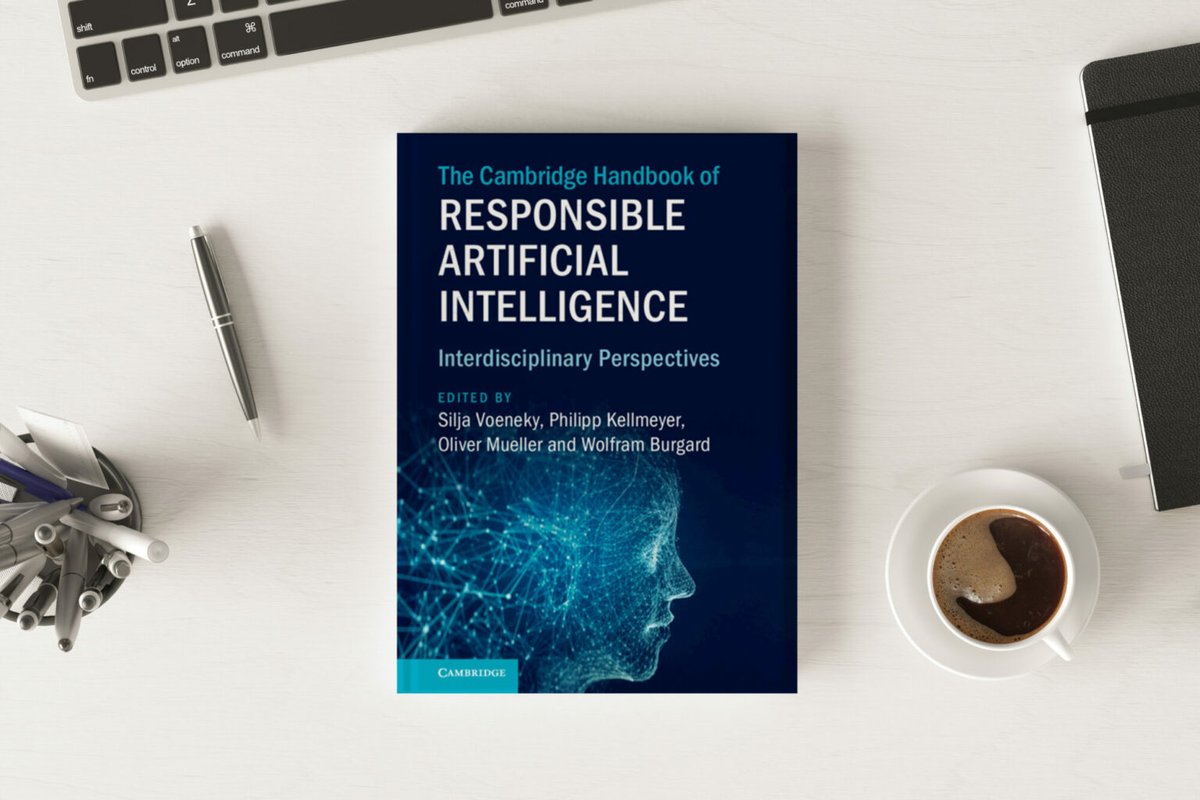
The world of content creation is changing at a breathtaking pace, with Artificial Intelligence now a critical, integral force, not just an auxiliary tool. As content architects, creators, and consumers, we stand at a pivotal juncture where the power of AI demands an equally powerful commitment to responsibility. This isn't just about innovation; it's about shaping The Future of Responsible AI in Content Creation—ensuring it serves humanity, enhances creativity, and builds trust rather than eroding it.
At a Glance: Key Takeaways for Responsible AI in Content Creation
- AI is Essential, Not Optional: AI has transitioned from a supporting role to an integrated force in content creation, driving growth and enabling new possibilities.
- Empowerment Over Replacement: Responsible AI enhances human creativity and efficiency, enabling creators and businesses to scale and innovate without sacrificing quality or ethics.
- Ethics Are Non-Negotiable: Transparency, consent, bias mitigation, and accountability are the bedrock principles for building trust in AI-generated content.
- Practical Steps for All: Whether you're a solo creator or a large platform, adopting ethical AI requires proactive guidelines, robust verification, and a commitment to human oversight.
- Trust as the Ultimate Currency: The future of immersive and interactive content experiences hinges on clear ethical practices that prioritize the audience's trust and well-being.
The AI Revolution: More Than Just a Supporting Act
Remember when AI in content creation felt like a novelty? Perhaps a tool for automated spell-checking or basic data analysis. Fast forward to today, and that perception is laughably outdated. AI technology has truly transitioned from merely accenting human content development to becoming a critical supplemental force and an integral part of the media landscape.
In 2024, AI-driven content creation experienced significant growth, seamlessly integrating deep learning models across creative industries. Prateek Dixit, co-founder and CTO of Pocket FM, an industry leader, highlights how these advanced models are now fundamental to how we conceive, produce, and distribute stories. Think about it: automatic translation, captioning, and audio description are no longer futuristic concepts; they're essential accessibility tools powered by AI, making content available to a wider global audience and breaking down barriers.
This widespread integration means "synthetic media"—content partially or fully generated by computers—is becoming commonplace. We've already seen earlier uses like AI crafting interactive characters with real-time responses in gaming, creating dynamic experiences, and AI-powered "virtual influencers" promoting products on social media. These applications, while sometimes raising eyebrows, clearly demonstrate AI's capacity to engage audiences in novel ways.
Empowering Creativity, Not Just Cutting Costs
It's easy to fall into the trap of viewing AI purely as a cost-cutting measure, a way to churn out more content for less. While efficiency gains are undeniable, the truly revolutionary aspect of responsible AI lies in its ability to empower creators, not diminish their role.
Take Pocket FM, for instance. They've revolutionized storytelling by harnessing AI to automate the creation of immersive, human-like narratives at scale. Their strategic focus isn't simply on reducing production costs. Instead, they leverage generative AI tools to enhance creative potential, giving writers superpowers. Imagine the time and labor saved when AI can create natural and realistic AI-generated voiceovers for audio series, freeing up human talent to focus on nuanced storytelling and character development. This approach has allowed Pocket FM to scale its audio series library dramatically, deliver stories globally, and become a leading audio entertainment platform—all while supporting human writers.
This same principle can profoundly impact small businesses, allowing them to scale more effectively without requiring deep technical expertise. Consider a local artisan wanting to reach international buyers. AI can automate content translation, enabling them to expand their reach to new global audiences with minimal effort, previously a complex and expensive endeavor. This isn't just about efficiency; it's about leveling the playing field and unlocking new opportunities for growth and expression.
The Imperative of Ethical AI in Content Creation
With great power comes great responsibility, and in the context of AI, this isn't just a cliché—it's a critical directive. The sheer capability of AI to generate realistic text, images, audio, and video necessitates a strong ethical framework. Without it, the very fabric of trust in media and information could unravel.
The core challenge with synthetic media is maintaining authenticity and establishing clear boundaries. When content is partially or fully generated by AI, how do audiences distinguish it from human-created work? How do we ensure that AI tools aren't misused to create harmful misinformation, deepfakes, or non-consensual content? These aren't hypothetical questions; they are real dilemmas we face today.
The use of this innovative technology carries significant ethical responsibility, and forward-thinking companies are already stepping up. Pocket FM, for example, is committed to setting standards for consent-based voice and image replication and clearly labeling synthetic content. This kind of proactive stance is vital. In 2025, ethical innovation will be crucial, with a focus on clear guidelines for responsible AI use, transparency in synthetic content, and robust verification systems to combat misuse. The industry expects AI-driven content creation to reach new levels of sophistication, with deeper integration into media and entertainment, leading to more immersive and interactive experiences, all while building trust through ethical practices.
Pillars of Responsible AI: A Framework for Trust
Building trust in an AI-powered content landscape requires a multi-faceted approach. Think of it as constructing a sturdy bridge: each pillar is essential to its integrity and safety.
1. Transparency and Clear Labeling
The cornerstone of responsible AI is honesty. Audiences deserve to know when content has been generated or substantially altered by AI.
- What it means: Clearly identifying AI-generated elements in text, images, audio, or video. This could be a simple "AI-generated" tag, a watermark, or a verbal disclosure.
- Why it matters: Prevents deception, helps differentiate between human and machine creativity, and fosters an informed audience.
- Example in action: Pocket FM's commitment to clearly labeling synthetic content. This sets an expectation for users and builds confidence in the platform's offerings.
2. Consent and Ownership
When AI is trained on or used to replicate human attributes, consent isn't just polite; it's legally and ethically imperative.
- What it means: Obtaining explicit permission from individuals for the use of their voice, image, or likeness in AI training or content generation. Ensuring creators maintain ownership over their original ideas even when enhanced by AI.
- Why it matters: Protects individual rights, prevents exploitation, and respects intellectual property.
- Ethical challenge: The ground truth mentions "robust verification systems to combat misuse." While AI offers incredible creative potential, it also presents significant challenges, particularly when tools are misused. The need for robust verification systems is paramount to combat the proliferation of harmful or non-consensual content, protecting individuals and maintaining trust in synthetic media. This is especially relevant when considering applications that cross ethical boundaries, such as those that might access the AI undress generator or similar ethically questionable tools.
3. Bias Mitigation
AI models learn from the data they're fed. If that data reflects existing societal biases, the AI will perpetuate and even amplify them.
- What it means: Actively identifying and addressing biases in AI training datasets. This involves diverse data sourcing, meticulous data cleaning, and algorithmic adjustments to promote fairness and inclusivity.
- Why it matters: Ensures AI-generated content is equitable, avoids perpetuating harmful stereotypes, and reflects a broad range of human experiences.
- Practical step: Regularly audit AI outputs for biased language, imagery, or narratives and retrain models with more balanced datasets.
4. Accountability and Verification Systems
Who is ultimately responsible when AI-generated content goes wrong, spreads misinformation, or causes harm? And how do we verify its authenticity?
- What it means: Establishing clear lines of accountability for the developers, deployers, and users of AI tools. Implementing robust verification technologies (like digital watermarking or blockchain attestation) to trace the origin and authenticity of synthetic media.
- Why it matters: Provides recourse in cases of misuse, helps combat deepfakes and misinformation, and fosters trust in the provenance of content.
- Industry expectation: The expectation for 2025 is a strong focus on robust verification systems, a necessary evolution as AI sophistication increases.
5. Human Oversight and Collaboration
AI is a tool, not a replacement. The most effective and ethical AI strategies place human judgment and creativity at the center.
- What it means: Designing AI workflows where humans remain in the loop—reviewing, editing, guiding, and ultimately approving AI-generated content. AI acts as a co-pilot, enhancing human capabilities rather than taking the wheel entirely.
- Why it matters: Maintains quality control, injects human nuance and empathy, and ensures creative intent is preserved.
- Pocket FM's lesson: By empowering writers with generative AI tools to enhance creative potential, they demonstrate a model of human-AI collaboration that prioritizes human input.
Navigating the Ethical Minefield: Practical Steps for Creators and Businesses
The abstract principles of responsible AI become meaningful only when put into practice. Here’s how you can actively contribute to a more ethical content ecosystem.
For Content Creators: Your Role in the AI Evolution
As a creator, you're on the front lines of this technological shift. Your choices have a direct impact.
- Adopt AI with Purpose: Don't just use AI because it's new. Understand why you're using it. Is it to enhance your research, automate tedious tasks, generate new ideas, or reach a wider audience? Purpose-driven AI use leads to better, more ethical outcomes.
- Prioritize Ethical Tools: When choosing AI tools, look beyond features and cost. Investigate the developers' stance on ethics, their transparency policies, and how they address issues like consent and bias. Support companies that align with your values.
- Develop Your "AI Literacy": Understand how the AI tools you use work, what their limitations are, and where they might introduce bias. This isn't about becoming a coder, but about being an informed user.
- Maintain Your Unique Voice: AI can mimic styles, but it can't replicate your lived experience, your unique perspective, or your intrinsic creativity. Use AI to augment, not erase, your personal touch. Always review and refine AI outputs to ensure they reflect your authentic voice.
- Always Disclose: If AI has played a significant role in creating a piece of content, be transparent. A simple disclaimer can go a long way in building trust with your audience.
For Platforms and Businesses: Setting the Standard
Organizations have a larger responsibility to establish clear guardrails and foster a culture of ethical innovation.
- Implement Clear Guidelines and Policies: Don't wait for regulation. Develop and enforce internal guidelines for responsible AI use in content creation, covering aspects like data privacy, consent, and content moderation. Pocket FM's commitment to consent-based voice/image replication and clear labeling is an excellent example of proactive policy.
- Invest in Verification Technologies: Explore and implement tools for digital watermarking, content provenance tracking, and deepfake detection. These are crucial for maintaining the integrity of your platform and the authenticity of the content hosted there.
- Foster a Culture of Ethical Innovation: Encourage your teams to think critically about the ethical implications of every AI project. Make ethics a core part of the design and development process, not an afterthought. Provide training and resources to help employees understand and navigate AI ethics.
- Partner Responsibly: When collaborating with AI vendors or integrating third-party AI solutions, conduct due diligence on their ethical practices. Ensure their values align with yours and that their tools meet your standards for responsible AI.
- Engage in Industry Dialogue: Contribute to the broader conversation around AI ethics. Participate in industry groups, share best practices, and advocate for sensible policies that promote both innovation and responsibility.
Common Misconceptions About Responsible AI
Amidst the rapid advancements, it's easy for misunderstandings about responsible AI to take root. Let's clear up a few common ones.
Misconception 1: "Responsible AI Will Stifle Innovation and Slow Progress."
This couldn't be further from the truth. Responsible AI isn't about slamming the brakes on innovation; it's about building a sustainable and trustworthy foundation for it. Ignoring ethical considerations now will only lead to a loss of public trust, potential regulatory backlash, and ultimately, a slower, more fragmented adoption of AI in the long run. Ethical guidelines provide guardrails that ensure innovation benefits society, rather than harming it. In fact, ethical innovation is expected to be crucial in 2025.
Misconception 2: "AI Will Replace All Human Creative Jobs."
While AI will undoubtedly automate certain tasks and shift job roles, the idea of a complete human replacement is largely unfounded, especially in creative fields. As seen with Pocket FM, AI is being used to empower writers, not eliminate them. It handles the mundane, repetitive, or labor-intensive tasks (like voiceovers or basic translations), freeing up human creators to focus on higher-level creative thinking, emotional depth, strategic vision, and unique storytelling that AI cannot replicate. The future is likely one of human-AI collaboration, not competition.
Misconception 3: "Only Large Corporations Need to Worry About AI Ethics."
The impact of AI, both positive and negative, is universal. While large corporations might face more scrutiny, a small business using AI to generate marketing copy, or an individual creator leveraging an AI art tool, still has an ethical responsibility. Bias in an AI model, lack of transparency, or misuse of generated content can harm reputations, mislead audiences, and contribute to larger societal problems, regardless of the size of the entity. Every AI user and developer contributes to the collective ethical landscape.
The Road Ahead: Building Trust in a Synthetic World
Looking to the near future, the landscape of AI-driven content creation is set to reach new levels of sophistication. We can expect deeper integration into media and entertainment, leading to even more immersive and interactive experiences. Imagine truly personalized narratives that adapt in real-time, or virtual worlds so compelling they blur the lines of reality.
However, the success and acceptance of these innovations hinge entirely on our ability to build and maintain trust. This isn't an optional add-on; it's the core ingredient for the future. The promise of incredible experiences will be overshadowed if audiences can't trust the authenticity, ethical sourcing, and responsible creation of the content they consume.
The conversation around responsible AI isn't just for tech gurus or ethicists. It's for every content creator, every platform owner, and every consumer. It's a continuous dialogue, adapting as technology evolves. Our collective commitment to transparency, consent, fairness, and accountability will determine whether AI becomes a force for unprecedented creative flourishing or a catalyst for widespread skepticism and mistrust.
Your Role in Shaping the Future
The future of responsible AI in content creation isn't a passive outcome; it's an active construction. By understanding the ethical stakes, adopting best practices, and advocating for responsible innovation, you contribute directly to a future where AI empowers human creativity, respects individuals, and enriches our world of stories and experiences. Start by critically evaluating the AI tools you use, demand transparency from platforms, and champion ethical guidelines within your own creative endeavors. The future is being written now, and we all hold the pen.