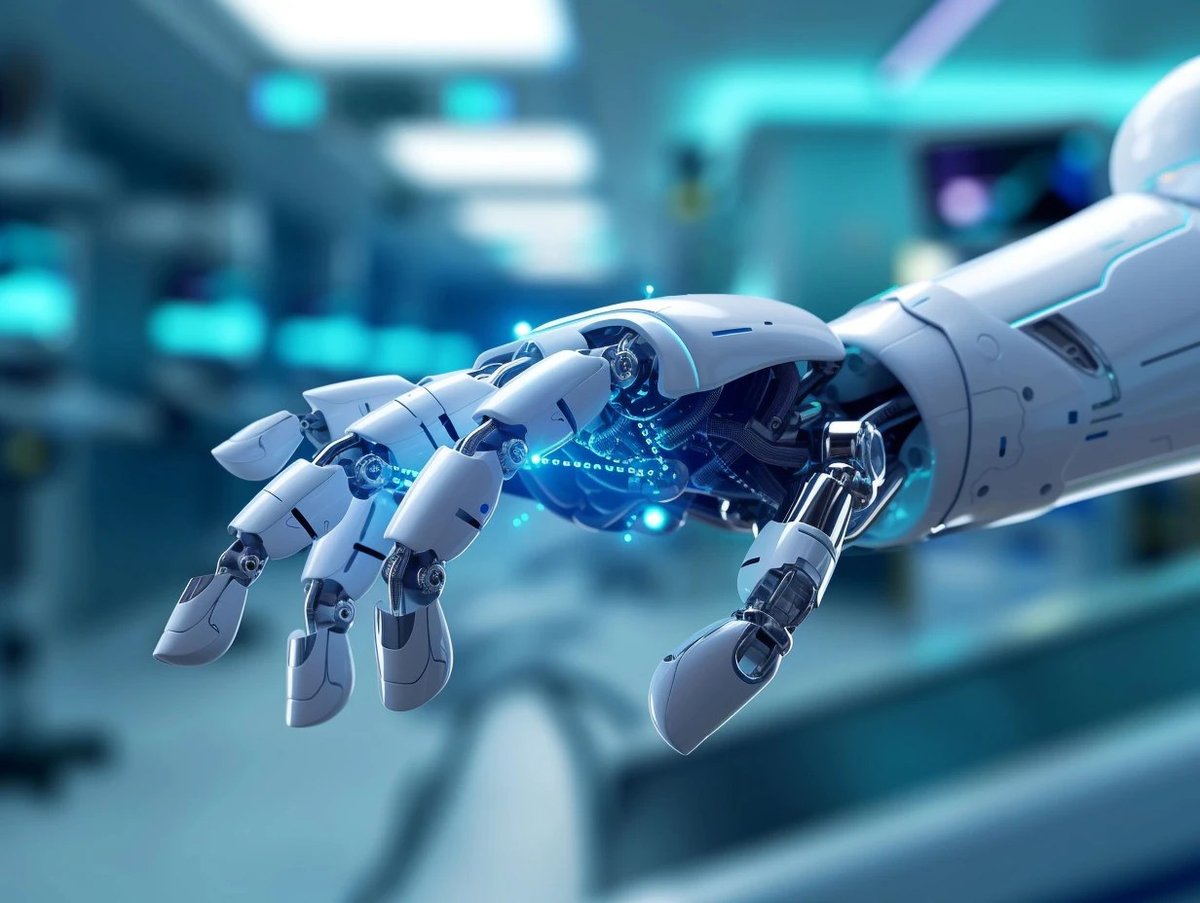
The creative landscape is shifting beneath our feet. Suddenly, anyone with an internet connection can conjure breathtaking visuals with simple text prompts, thanks to tools like DALL-E, Midjourney, and Stable Diffusion. But as AI-generated imagery democratizes artistic creation, it also thrusts us into a complex ethical thicket, forcing us to confront profound questions about Ethical Implications and Consent in AI-Generated Imagery – from who truly owns these digital masterpieces to whether our own creative labor is being fairly used.
This isn't just a philosophical debate for academics; it's a practical challenge facing artists, developers, businesses, and anyone interacting with digital content today. Understanding these implications is crucial not only for navigating the present but for shaping a future where innovation coexists with accountability.
At a Glance: Navigating the AI Art World
- Attribution is a Maze: It's unclear who deserves credit for AI art: the prompt engineer, the AI developer, or the original artists whose work trained the AI.
- Copyright Laws are Catching Up: Traditional copyright assumes human authorship. While purely AI-generated work generally isn't copyrightable, human-AI collaborations can be, as affirmed by a 2024 ruling.
- Training Data Sparks Controversy: Most AI models learn from vast datasets scraped online without creators' explicit consent or compensation, raising serious intellectual property concerns.
- Authenticity Under Threat: AI images are hyper-realistic, making deepfakes and misinformation a growing problem; a 2024 Europol report noted a 300% surge in AI-forged evidence.
- Bias Is Baked In: AI models often perpetuate stereotypes from their training data, with a 2025 UNESCO study finding 73% of AI-generated images default to Western-centric features.
- The Path Forward: Transparency, consent mechanisms, fair compensation, robust legal frameworks, and intentional bias mitigation are vital for ethical AI imagery.
The New Creative Frontier: Understanding AI's Rise in Imagery
Imagine typing a few words—"a majestic lion wearing a crown, sipping tea in a Victorian parlor"—and seconds later, a stunning, unique image appears before your eyes. This isn't science fiction; it's the everyday reality of generative AI tools. These platforms have exploded in popularity, transforming the barrier to entry for visual creation. Whether you're a designer looking for concept art, a marketer needing unique visuals, or simply someone exploring a new hobby, AI art tools offer unprecedented power.
However, this creative revolution isn't without its shadow. The speed and scale at which AI can generate images have outpaced our societal and legal frameworks, leaving a trail of questions about fairness, ownership, and the very definition of creativity. We're at a pivotal moment, where the decisions we make now will define the ethical landscape of digital art for decades to come.
Navigating the Ethical Minefield: Core Dilemmas You'll Face
When you dive into AI-generated imagery, you quickly encounter a set of interconnected ethical challenges. These aren't just abstract ideas; they have real-world implications for creators, businesses, and the public.
Who Gets the Credit? The Attribution Conundrum
You've painstakingly crafted the perfect prompt, iterating through dozens of variations to achieve a specific aesthetic. Does that make you the artist? What about the developers who built the complex algorithms, or the countless artists whose work unknowingly fueled the AI's learning process?
The question of attribution in AI-generated imagery is a thorny one. Traditional art demands credit for the human creator. With AI, that line blurs. Is it the "prompt engineer" who guides the AI? The AI developers themselves? Or should there be a mechanism to acknowledge the original artists whose styles and techniques were absorbed by the AI's training data? Without clear standards, the art world risks a crisis of credit, where original human ingenuity is devalued or even erased.
Copyrighting Creativity: Human vs. Machine Authorship
Perhaps the most significant legal hurdle for AI art lies in copyright law. Historically, copyright protects original works of authorship by humans. This fundamental principle is being stretched thin by AI. The U.S. Copyright Office has been unequivocal: works created solely by AI, without substantial human creative input, cannot be copyrighted. This stance reflects a deep-seated belief that copyright is intended to incentivize and protect human creativity.
However, the picture isn't entirely black and white. A landmark 2024 ruling affirmed that human-AI collaborations can be copyrighted. This means if you, as a human, use AI as a tool – much like a paintbrush or a digital editing suite – and bring your own creative choices, modifications, and artistic vision to the output, your work may be eligible for protection. This distinction is critical for commercial use and licensing, as it dictates who can legally control, sell, and profit from these creations. Without clear guidelines, businesses face uncertainty, and creators risk losing control over their livelihoods.
The Training Data Divide: Consent, Compensation, and Fair Use
Behind every stunning AI image lies a colossal dataset—billions of images scraped from the internet. This training data is the lifeblood of generative AI, allowing models to learn patterns, styles, and concepts. But here's the catch: the vast majority of this data was collected without the explicit consent or compensation of the original creators.
This practice has ignited fierce debate and legal challenges. Artists argue that their intellectual property is being exploited to train models that then compete with their own work, often without any benefit returning to them. Is it fair use, a transformative process similar to an artist learning from others' work? Or is it intellectual property theft on an unprecedented scale? The answer significantly impacts the future of digital art and the economic viability of human artists. Until creators have more control over whether their work is included in these datasets, or how they are compensated for it, this tension will remain a central ethical concern.
When Seeing Isn't Believing: Authenticity and the Deepfake Threat
AI-generated images have achieved a chilling level of realism, often indistinguishable from actual photographs. This hyperrealism, while creatively powerful, opens the door to significant societal risks. We're talking about sophisticated "deepfakes" that can manipulate public opinion, create false narratives, or even be used for illicit purposes. Imagine political campaigns where fabricated images of candidates are spread, or personal lives upended by manufactured visuals.
The danger isn't theoretical. A 2024 Europol report revealed a staggering 300% increase in AI-forged evidence in cybercrime cases, underscoring how quickly this technology is being weaponized. The implications extend far beyond petty fraud, touching upon national security, journalism, and personal privacy. You might think about the disturbing implications of AI undress video tools in this context, where the line between reality and disturbing fiction is not just blurred but entirely erased, leading to severe ethical and legal consequences. Ensuring the public can distinguish genuine content from AI-fabricated content is paramount for maintaining trust and protecting individuals.
Mirroring Our Biases: The Challenge of AI's Stereotypes
AI models are only as unbiased as the data they're trained on. Unfortunately, the internet—and by extension, AI training datasets—reflects existing societal biases, prejudices, and stereotypes. When an AI generates an image, it often perpetuates these biases. For example, if the training data predominantly associates certain professions with specific genders or ethnicities, the AI will likely default to those same stereotypes unless explicitly instructed otherwise.
A compelling 2025 UNESCO study highlighted this issue, finding that 73% of AI-generated images default to Western-centric features unless the user specifically prompts for diversity. This isn't just an aesthetic problem; it can reinforce harmful stereotypes, limit representation, and actively contribute to a less inclusive digital world. As you use these tools, recognizing and actively mitigating these inherent biases becomes a crucial part of ethical AI imagery creation.
Building an Ethical Foundation: Practical Approaches and Solutions
Addressing these complex ethical dilemmas requires a multi-faceted approach, involving technological innovation, legal reform, and a commitment to ethical design. Fortunately, many solutions are already being developed and implemented.
Shining a Light: The Power of Transparency
One of the most effective ways to combat the ethical challenges of AI-generated imagery is through enhanced transparency. If users know when an image is AI-generated, how it was created, and even what data might have influenced it, they can make more informed judgments.
- Transparent Attribution Systems: Imagine a world where AI-generated images automatically carry metadata indicating their origin: "Generated by [AI Model Name] using [Prompt Engineer's Name/ID]." This system would credit both the human guiding the AI and the AI tool itself, fostering clarity.
- Model Transparency: For developers, providing transparency about the training data sources used to build an AI model is crucial. While revealing every single image is impractical, disclosing the general composition and ethical sourcing of datasets can build trust.
- Provenance Tracking: Solutions like Content Credentials and the C2PA (Coalition for Content Provenance and Authenticity) standard are game-changers. These technologies embed verifiable metadata directly into digital content, acting like a digital "nutrition label" that can identify an image as AI-generated, indicate modifications, or trace its lineage. This allows platforms and users to instantly recognize the authenticity and origin of an image, combating deepfakes and misinformation.
Empowering Creators: Consent and Control Over Your Art
Artists and creators deserve to have a say in how their life's work is used, especially when it's fueling powerful AI models. Ethical AI imagery requires robust mechanisms for consent and control.
- Opt-Out Options for Training Data: Platforms and AI developers should offer clear, accessible options for artists to opt out of having their work included in AI training datasets. This respects intellectual property rights and gives creators agency over their digital assets.
- Owned/Licensed Dataset Training: Imagine being able to train an AI model using only images you own or have explicitly licensed. Some platforms are moving towards this, allowing users to fine-tune models on proprietary datasets. This ensures that the AI's learning is ethically sourced and tailored to specific, legitimate uses.
- Public Scraping Toggles: For platforms that host user-generated content, integrating simple toggles that allow users to opt out of public scraping for AI training purposes would be a significant step forward. This shifts the default from passive inclusion to active consent.
Fair Play: Designing for Creator Compensation
If AI models are profiting from the collective creative output of countless artists, there should be a mechanism for original creators to share in that economic benefit. This is a complex area, but solutions are emerging.
- Royalty-Based Model Marketplaces: Imagine a marketplace where artists can contribute their custom-trained AI models or even specific style transfers derived from their work. When others use these models to generate images, the original artist earns a royalty. This creates a direct link between the value generated by AI and compensation for the human creators who made that value possible.
- Micro-Compensation Systems: Future legal and technological frameworks might explore micro-compensation systems where, if an AI's output is demonstrably influenced by a specific artist's work in its training data, that artist receives a small percentage of generated revenue. This requires sophisticated tracking but represents a truly equitable approach.
Beyond the Code: Legal Frameworks and Ethical Design Principles
While technology provides some solutions, it's crucial to establish clear legal and ethical guidelines to govern the use and development of AI-generated imagery.
- Clear Legal Frameworks: Governments and international bodies need to develop new legal frameworks that specifically address AI authorship, copyright, and the ethical use of training data. These frameworks must balance the imperative for innovation with the fundamental protections for human creators and intellectual property rights. This means moving beyond adapting old laws and creating new ones fit for the digital age.
- Bias Mitigation: Integrating ethics directly into the core functionality of AI tools is paramount.
- Diversity Presets: Imagine a feature that allows users to auto-balance gender and ethnicity ratios in batch generations, preventing inadvertent perpetuation of stereotypes.
- Community Audit Systems: Platforms can establish systems where users can flag biased outputs, allowing developers to identify and correct issues in real-time, fostering a more inclusive AI.
- Ethical Design at the Core: Developers should embed ethical considerations into every stage of AI product design. This includes:
- Ethical Filters: Implementing filters that prevent the generation of harmful, discriminatory, or non-consensual content.
- Style Locking: For professional use cases, the ability to "style lock" for consistent content creation and consistent character generation is vital, ensuring ethical guardrails are integrated for brand safety and responsible content.
Navigating the Legal Landscape: What You Need to Know Now
The legal environment surrounding AI-generated imagery is dynamic, but some key principles are beginning to solidify, particularly concerning copyright.
Copyright for Human-AI Collaborations: A 2024 Landmark
As we discussed, the U.S. Copyright Office has been clear: pure AI-generated works without human creative input generally don't qualify for copyright. However, if you are an artist, designer, or creator using AI as a tool to execute your artistic vision, your work can be protected. The 2024 ruling affirming copyright for human-AI collaborations is a significant development.
What this means for you: If you use AI tools, document your creative process. Show how you conceptualized the image, the specific prompts you crafted, the iterative refinements you made, and any post-processing work (editing, compositing, enhancements) you applied. Your creative choices and interventions are what transform a mere AI output into a human-authored work deserving of copyright. This distinction is critical for anyone looking to commercialize AI-assisted art.
Opting Out and Protecting Your Work
While legal frameworks evolve, you, as a creator, have options to protect your intellectual property from being unknowingly used to train AI models.
- Review Platform Terms of Service: Understand the terms of service for any platform where you upload your artwork. Many platforms include clauses that grant broad licenses for AI training or data scraping.
- Utilize Opt-Out Options: Where available, actively use opt-out features provided by AI developers or content platforms. This sends a clear signal that you do not consent to your work being used for training.
- Digital Watermarking and Licensing: For highly valuable work, consider advanced digital watermarking that indicates ownership and licensing. While not foolproof against all scraping, it can serve as a legal assertion of rights.
- Advocacy: Join or support organizations advocating for artists' rights in the age of AI. Collective action can drive significant policy changes and create more equitable systems for compensation and consent.
Real-World Impact and Future Outlook
The ethical considerations around AI-generated imagery aren't just about avoiding harm; they're also about unlocking the immense potential of this technology responsibly.
The Economic Shift: New Jobs, New Opportunities
It's easy to focus on the fear of job displacement, but the World Economic Forum predicts AI will actually create more creative jobs than it displaces by 2027. This isn't a future where humans are replaced; it's a future where roles evolve. We might see the rise of "AI whisperers" (expert prompt engineers), AI ethicists in creative industries, and specialists in AI-assisted content moderation. Artists may leverage AI to automate tedious tasks, allowing them to focus on higher-level creative ideation and unique human touches. The key is adaptation and fostering an environment where human ingenuity remains at the core.
The Critical Role of Responsible AI Development
The trajectory of AI-generated imagery depends heavily on the choices made by developers. Building AI with ethical considerations woven into its very fabric – from data sourcing to output filters – is not just good practice, it's essential for the technology's long-term acceptance and societal benefit. This involves:
- Auditing Training Data: Regularly auditing and curating training datasets to identify and remove biased, harmful, or non-consensual content.
- Community Engagement: Involving diverse groups of artists, ethicists, and legal experts in the development process to anticipate and mitigate potential harms.
- Prioritizing Safety and Fairness: Ensuring that profitability and innovation do not overshadow the imperative to build AI systems that are safe, fair, and respectful of human rights and creativity.
Your Path Forward: Actionable Steps for Ethical AI Imagery
As AI-generated imagery continues to evolve, your choices and actions as a creator, consumer, or business leader will help shape its ethical landscape. Here's how you can contribute to a more responsible future:
- Educate Yourself Continuously: Stay informed about new AI tools, legal rulings, and ethical debates. The landscape is changing rapidly, and knowledge is your most powerful tool.
- Practice Intentional Prompting: When using AI tools, be mindful of your prompts. Actively try to mitigate bias by including diverse descriptors, and experiment with different styles and subjects.
- Document Your Creative Process: If you're using AI for professional or commercial art, keep detailed records of your prompts, iterations, and human modifications. This strengthens your claim for copyright and attribution.
- Advocate for Transparency and Consent: Support platforms and initiatives that prioritize ethical data sourcing, offer opt-out mechanisms, and implement provenance tracking like Content Credentials. Your voice matters in pushing for industry standards.
- Critically Evaluate AI-Generated Content: Whether you're a creator or a consumer, approach AI-generated images with a critical eye. Question their source, authenticity, and potential biases. Develop media literacy skills to distinguish between real and fabricated content.
- Collaborate and Share Best Practices: Engage with other artists, developers, and ethicists. Share your experiences, challenges, and solutions. Collective intelligence will be crucial in building a truly ethical framework for AI-generated imagery.
The ethical future of AI-generated imagery isn't predetermined; it's being built right now, piece by digital piece. By prioritizing transparency, consent, and intentional design, we can ensure that this powerful technology empowers creativity without compromising accountability, fairness, or human ingenuity.